





 Fabian
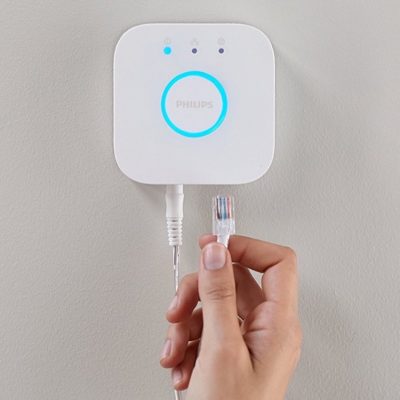
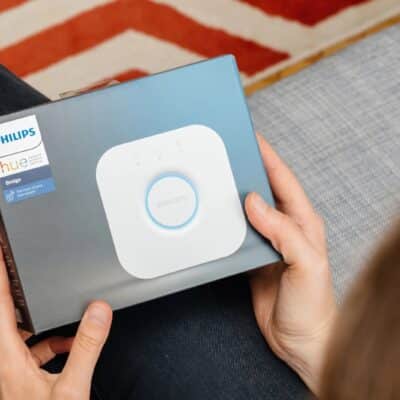
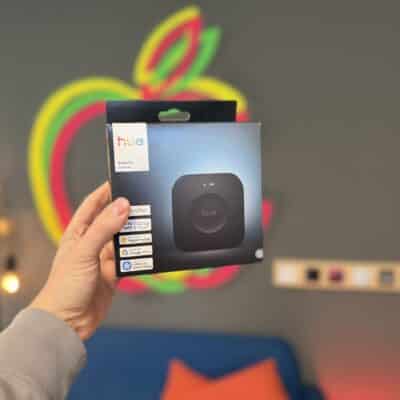
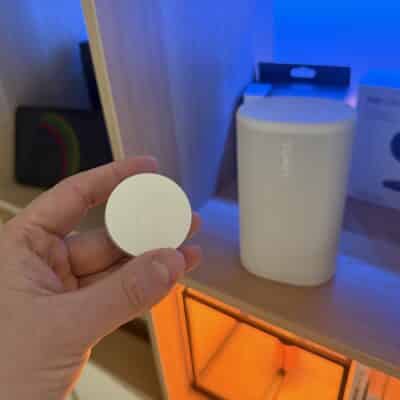
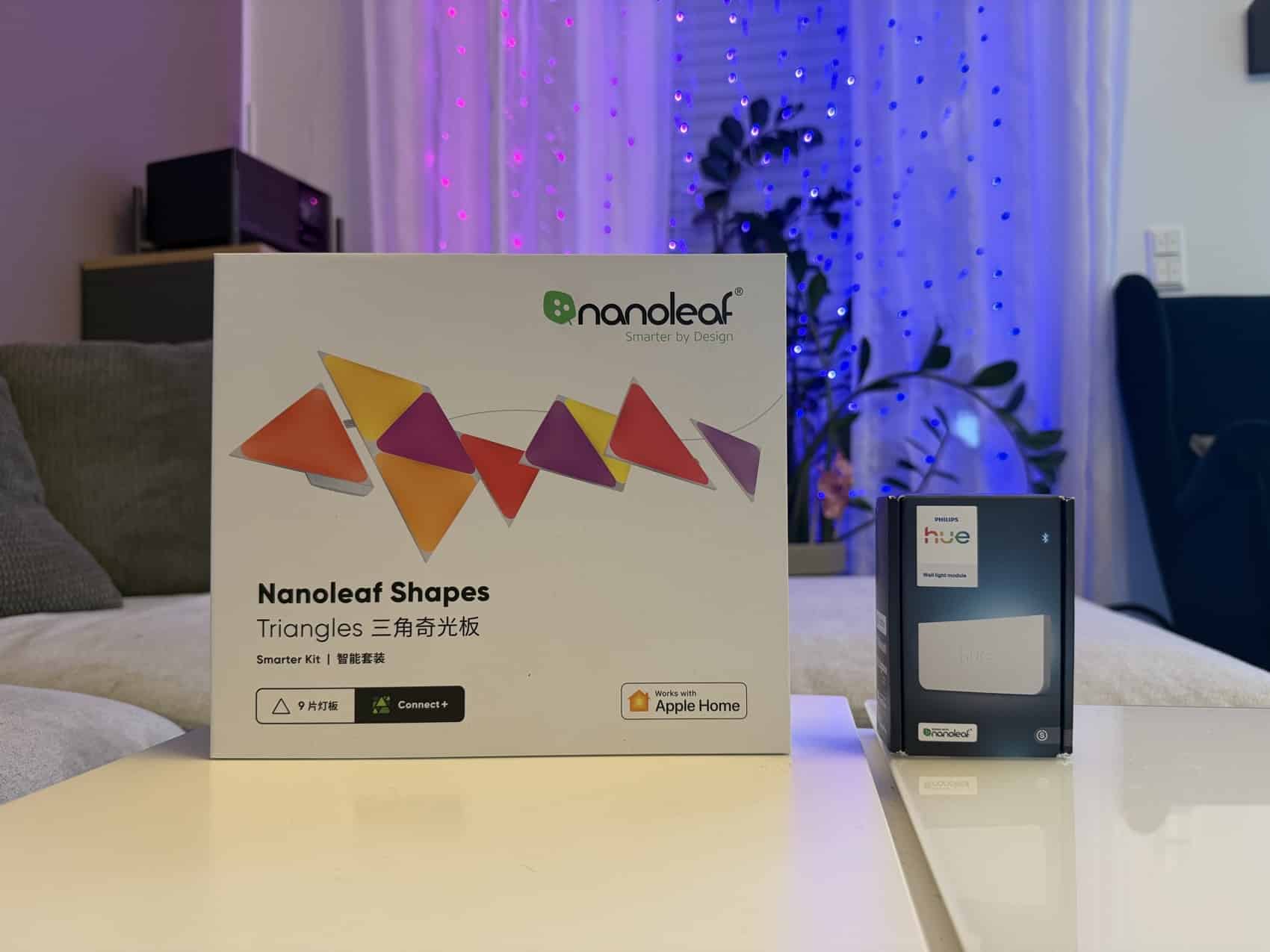
Apparently, they couldn’t quite agree on a name. On the packaging, this little gadget is called the “Philips Hue Wall Light Module,” while on Amazon it’s listed as the “Philips Hue Wall Light Controller.” And then there’s also the name “Hue x Nanoleaf Controller” floating around. I think the latter provides the most accurate description of the new product. I’ve already had a chance to take a closer look at it.
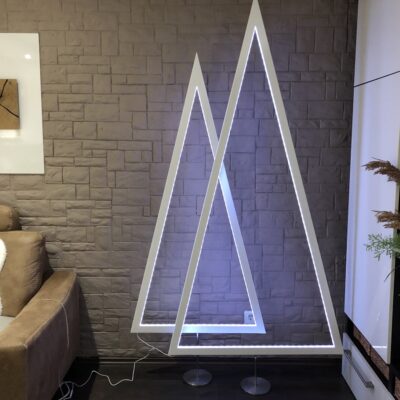
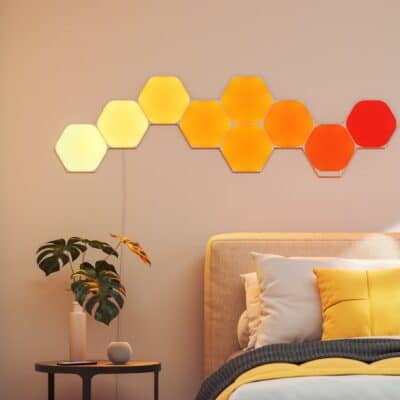
A few weeks ago, I certainly wouldn’t have expected a collaboration like this. With the new controller, the Nanoleaf Shapes LED panels—in Triangle, Mini-Triangle, and Hexagon shapes—can be controlled using the Hue app. And it’s relatively affordable: with a suggested retail price of 39.99 euros, you can breathe new life into any Nanoleaf panels you might already own.
Hue App Instead of the Nanoleaf App
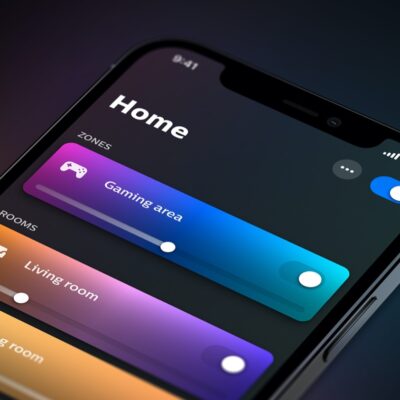
Until now, Nanoleaf panels were controlled via the Nanoleaf app. That worked quite well, but the Nanoleaf app hasn’t really been further developed or modernized in recent years. Integration with Apple Home or other Matter platforms has been possible for a long time, but it comes with limitations.
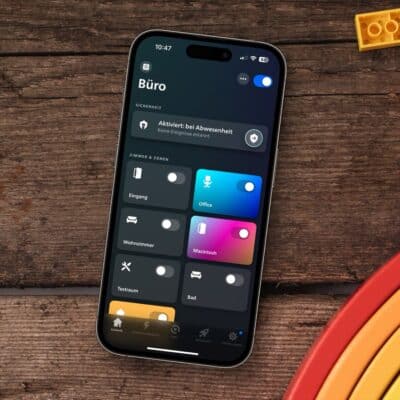
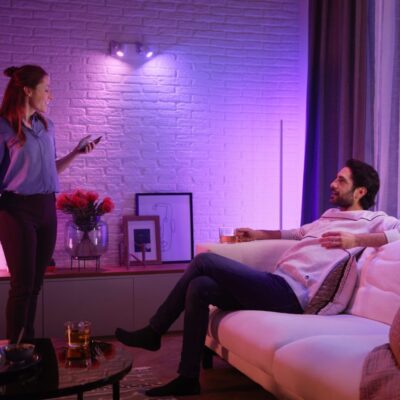
If you already have Hue lights in the same room, it makes perfect sense to integrate the Nanoleaf panels into the Hue app. And that’s exactly what the Hue x Nanoleaf Controller does for you. It essentially turns your Nanoleaf setup into a Hue light strip with a gradient feature.
Installation is incredibly simple: If the Nanoleaf panels are already mounted on your wall, all you have to do is remove the Nanoleaf controller and plug in the Hue module. Simultaneous operation of both apps is expected to be added later, so you’ll still be able to access Nanoleaf-exclusive features.
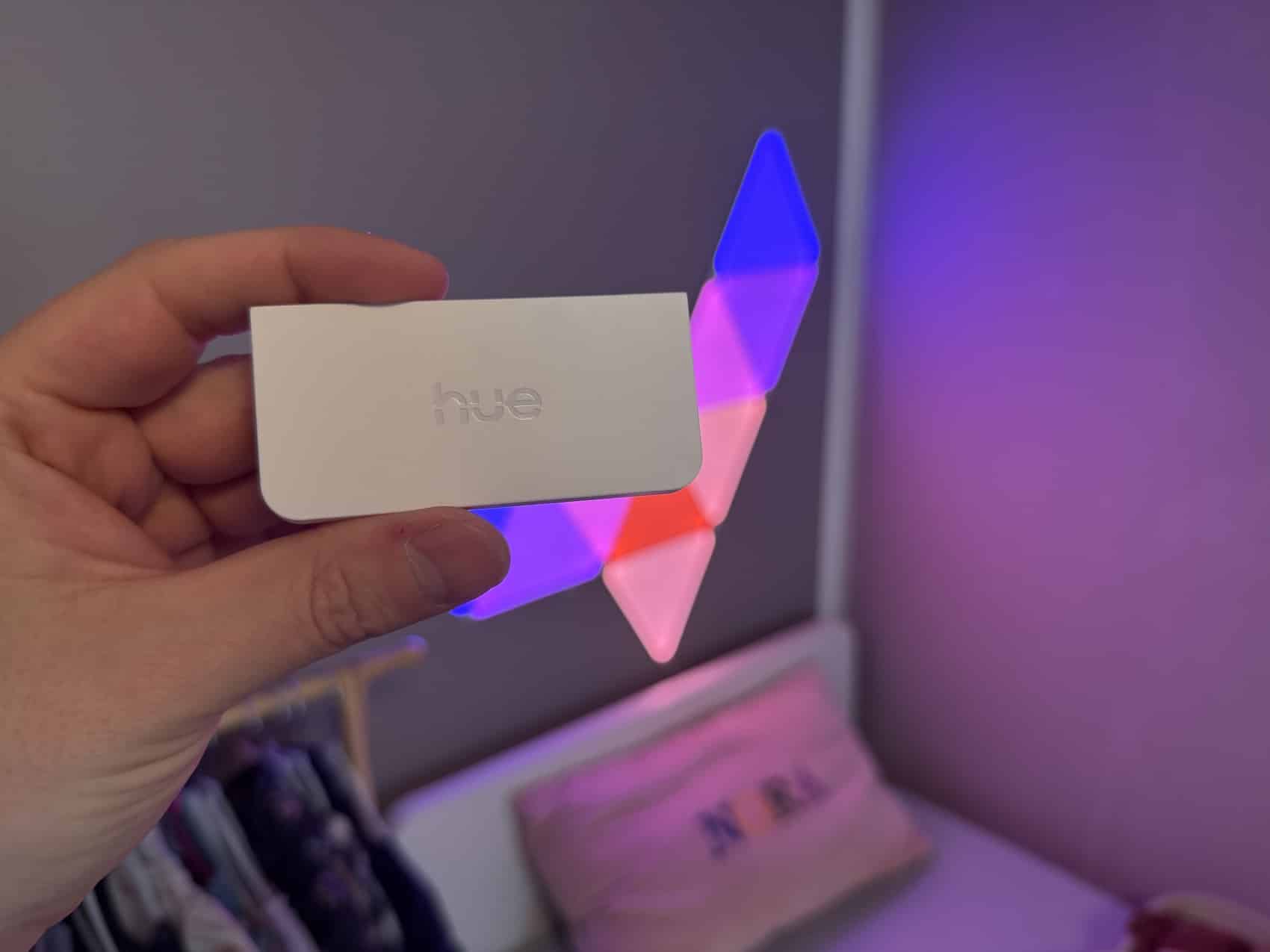
If you’re starting from scratch, the process is also quite simple. In this case, you can pair the Hue x Nanoleaf Controller directly and don’t even need to install the Nanoleaf app.
Controlling Nanoleaf Panels via the Hue App
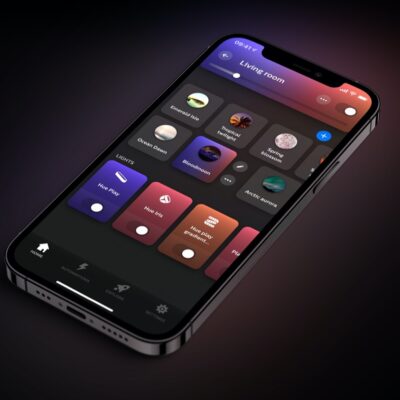
If you’re already using a Philips Hue gradient light strip, you’ll get the hang of controlling the Nanoleaf panels right away. It’s really simple: In addition to the preset scenes, you can move three points on the color wheel. Philips Hue then automatically calculates a color gradient that spans the entire Nanoleaf installation on the wall.
You can also select a few modes. “Mirrored” reflects the color gradient in the center of the installation, and “Diffuse” lets you randomly distribute up to five colors across the panels without a gradient.
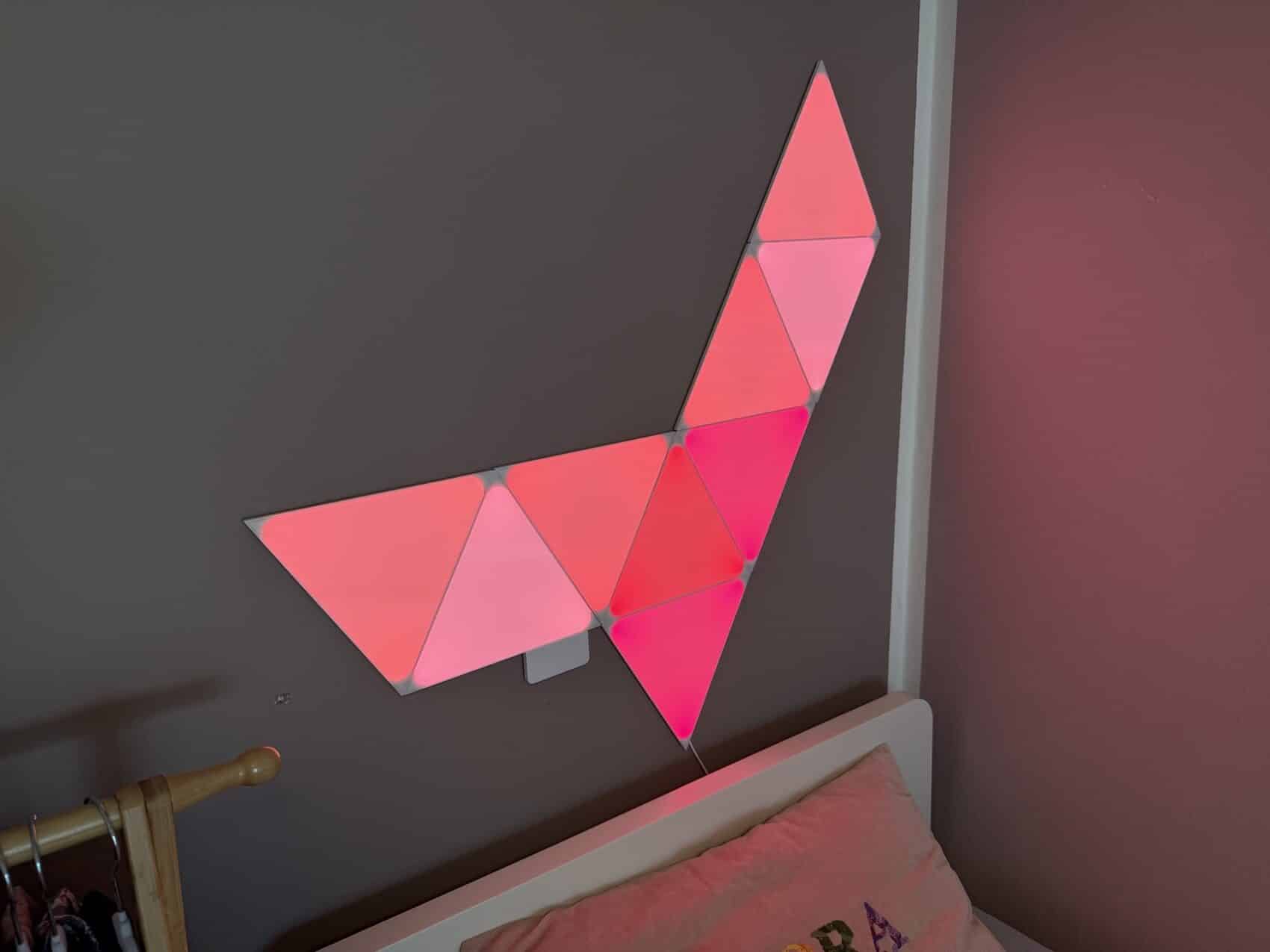
Currently, they’re reportedly still working on allowing users to freely determine the orientation of the color gradients. A corresponding update is expected to be released later this year. Together with the effects already available, this should open up even more possibilities.
Aside from the controls, integration into the Hue ecosystem is the real highlight. The Nanoleaf panels can be incorporated into scenes and controlled using accessories. I connected them to a Hue wall switch module, and control via a dimmer switch or a motion sensor is also possible.
Is there really nothing to complain about?
One criticism that’s already been raised is that the two controllers—from Nanoleaf and Hue—can’t be used at the same time. Personally, that doesn’t bother me, since I only use the Hue app anyway. I do find it a bit of a shame, though, that the Hue controller is so huge. The Nanoleaf controller is significantly more compact and even has buttons for control.
In the only Amazon review so far, a user complains about three controllers that beep. With the lights on, I could actually hear a slight hum from my test unit, but I had to press my ear right up against the controller to do so. At a distance of just 5 centimeters, there was absolutely nothing to be heard. So that shouldn’t be an issue in everyday use.
And then there’s the other issue: the price. Not that of the Hue x Nanoleaf controller, but of the Nanoleaf panels themselves. After all these years, I’ve realized once again that nine triangles simply don’t offer many possibilities. You just need a few more small triangles and hexagons—and then it just gets expensive…

Hue Wall Light Module for Nanoleaf Shapes
$39.99 / €39.99

I am currently a hue and nanoleaf user. I have several shapes and hue products. I am waiting to the dual controller usage. Mainly I use my shapes in 4D mode and I want to control my nanoleaf in 4D when my TV is on. When the TV is off I want hue to control. Hue is much more reliable.